What role does stress play in acne?
Acne isn't directly caused by stress, but stress can affect your skin. What positive and negative stress mean and what helps.
Stress3 min read
Your skin often reacts sensitively to different external and internal influences. One of them is stress. Even though acne isn't directly caused by stress, our emotional well-being can still affect how our skin looks. On the other hand, acne itself can put a psychological strain on the people who have it. Many patients suffer from low self-esteem or even depression as a result of their condition.
It has long been known that heavy emotional strain and psychological stress can trigger physical reactions. Sudden sweating, circulation problems, headaches or digestive problems are just some examples of how stress can show up in the body. Stress can also affect the skin; it plays a role in many common skin conditions.
Positive and negative stress
Stress is first of all a reaction of the body that puts it on high alert. Under stress, the level of stress hormones such as adrenaline or cortisol in the blood rises, the heart beats faster and blood pressure goes up. Certain messenger substances are also released, which make sure the body is well prepared for the stressful situation.
The stressful situation can be either positive or negative. Positive stress comes from happy events such as a trip or a birthday party and is called eustress. Its counterpart is negative stress, called distress. Distress can be triggered, for example, by being overwhelmed at work, difficult situations in your private life or personal worries and fears, and it is often long-lasting and chronic.
Make sure you get enough rest
Many people with acne notice first-hand that stress can also affect their skin. In times of high psychological strain, the skin often literally flares up. Several studies have already shown a link between psychological stress and acne. The rise in stress hormones and the body's stress response lead, among other things, to increased sebum production and the release of inflammatory messenger substances. Both can affect the skin.
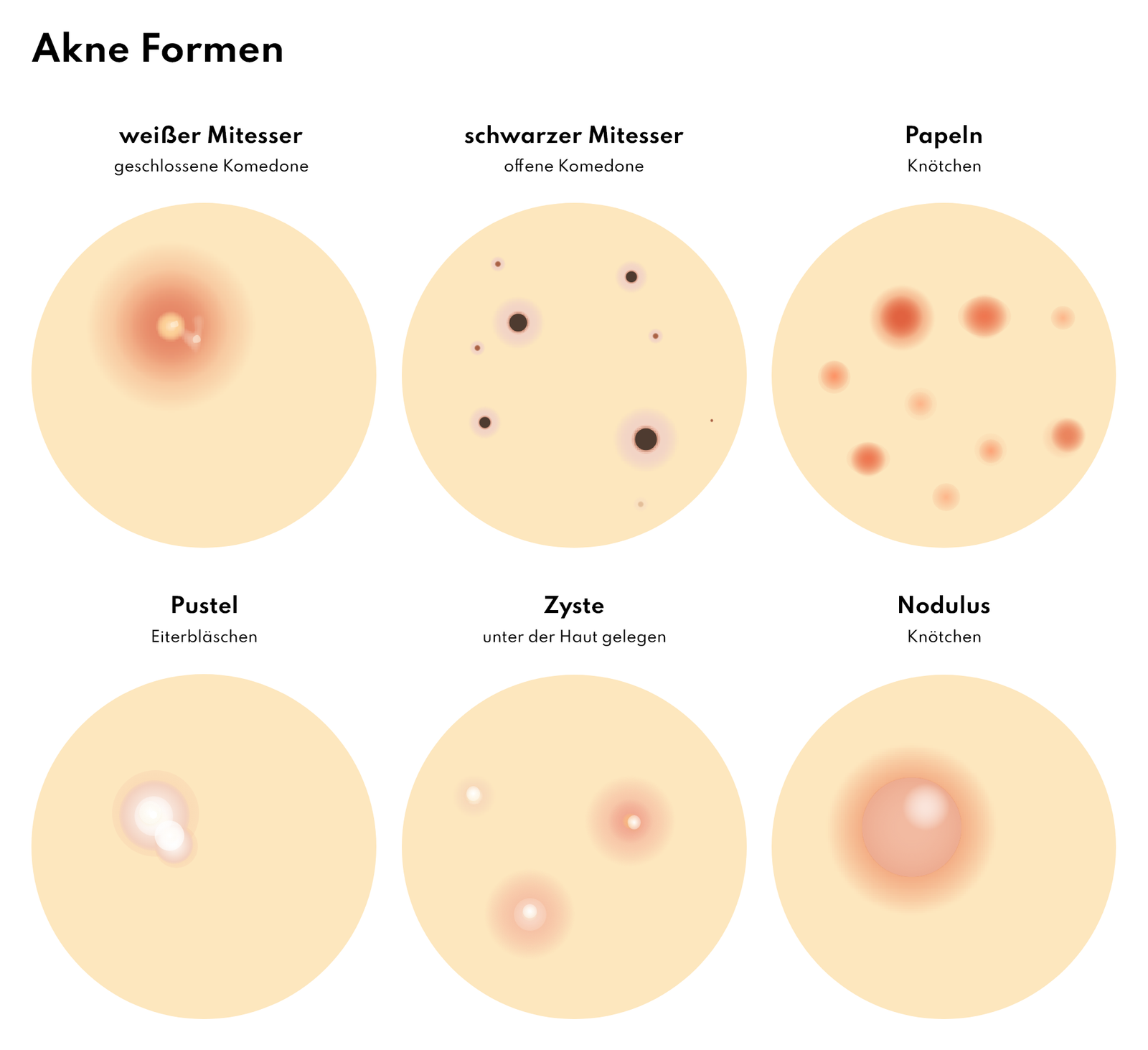
The increased sebum production clogs the pores, and the resulting inflammatory reactions can make blemishes, spots and inflammation worse or more frequent. Blackheads, papules and pustules form mainly on the face, back or chest, areas with a particularly large number of sebaceous glands.
When acne gets worse, it often also takes a toll on your mental health, and that emotional distress can in turn increase stress. To break this vicious circle, it's important not to put pressure on yourself and instead to make sure you get enough relaxation and calm down again.
Strategies for coping with stress
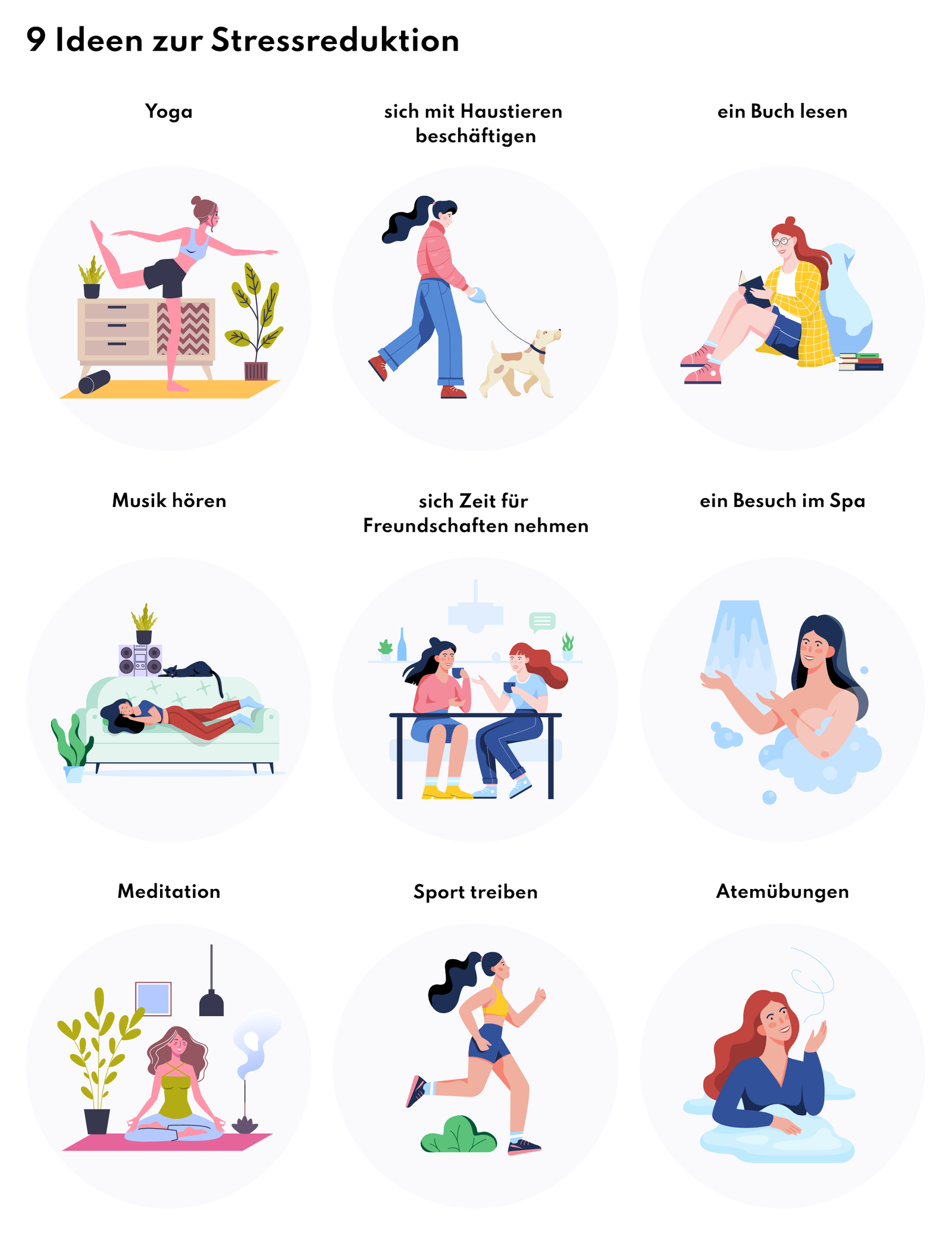
Especially in times of increased stress, it's important to take breaks and give yourself enough time to relax. Going for a walk, listening to music or relaxation techniques such as progressive muscle relaxation or autogenic training help your body and mind calm down.
Effective strategies for coping with stress can lower the physical and emotional strain and reduce the risk of a stress-related acne flare-up. Try out different things to find the relaxation strategy that works best for you personally in stressful times. Simple breathing exercises, for example, can easily fit into a stressful day and give you short moments of calm.