
An overview of acne treatment options
Acne is one of the most common skin conditions and comes in different degrees of severity. An overview of the treatment options.
Treatment3 min read
Acne is one of the most common skin conditions and affects a large part of the population, at least for a while. It comes in different degrees of severity and can be either acute or chronic. Acne treatment depends on how severe it is and ranges from over-the-counter cleansing lotions and creams to medicines that work from the inside.
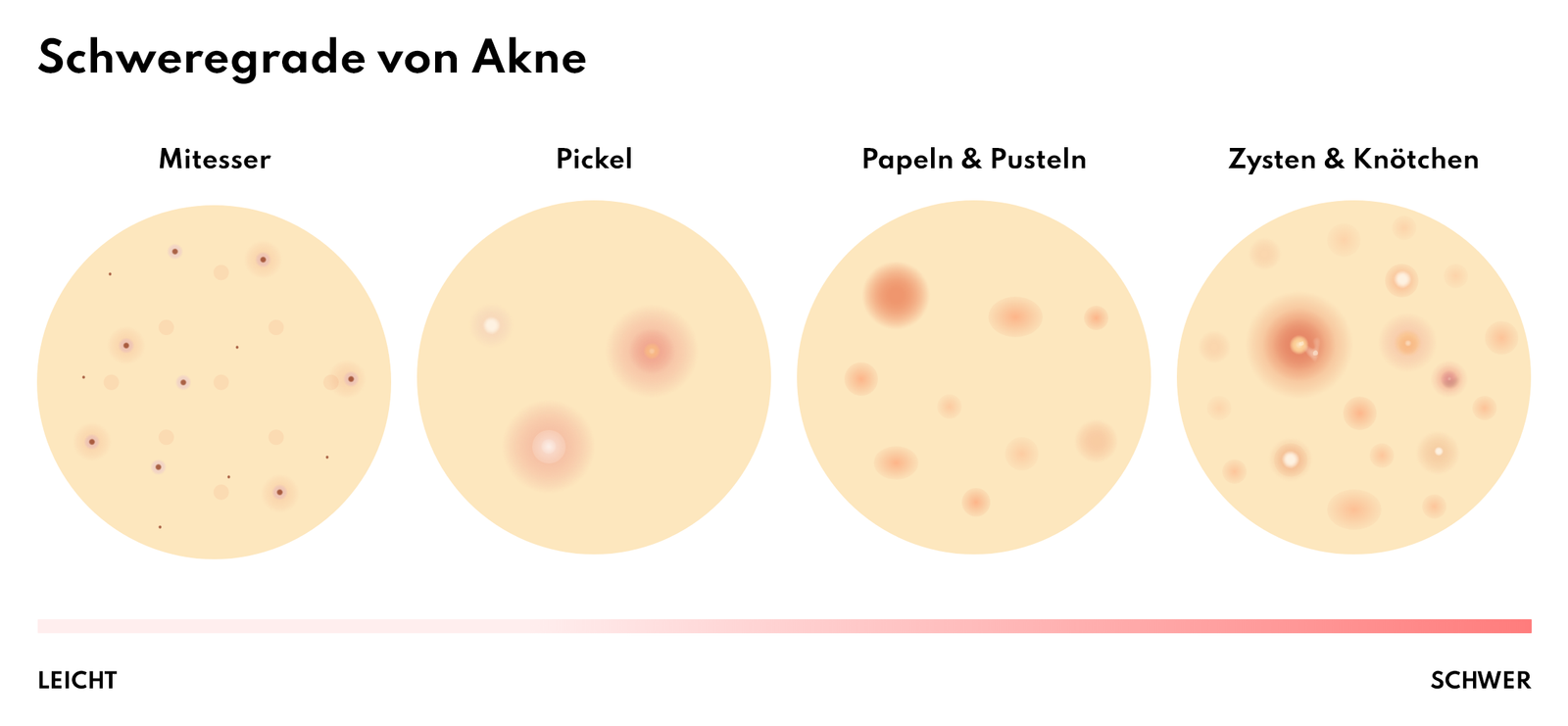
About 60% of people with acne have a mild form, which can usually be treated well with over-the-counter products from the pharmacy. 40% have a more severe form, also called clinical acne, which shows up as painful nodules, papules and pustules. Clinical acne needs to be treated by a doctor.
Creams applied to the skin for mild forms
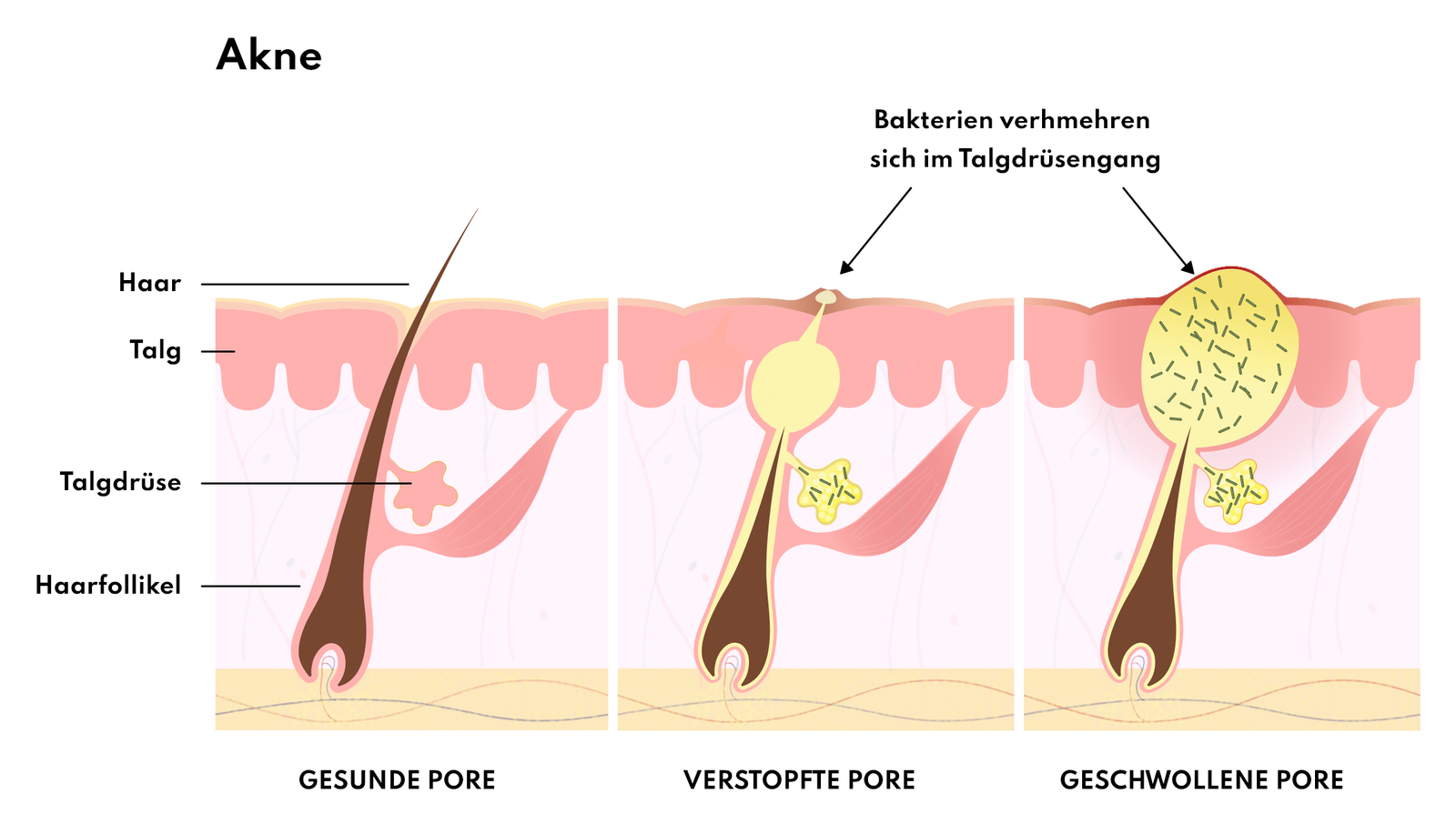
Mild forms of acne can be treated with antibacterial (antiseptic) cleansing lotions, creams and ointments that are applied to the skin. This locally applied (topical) treatment mainly uses the following medicines:
- topical antibiotics
- benzoyl peroxide
- retinoids (vitamin A acid products)
- azelaic acid
Topical antibiotics reduce the number of bacteria in the sebaceous ducts and so reduce inflammation. They are never used on their own, but always together with topical retinoids, benzoyl peroxide or azelaic acid.
Benzoyl peroxide is both antibacterial and keratolytic, which means it removes dead skin cells and so unclogs the pores. One advantage is that bacteria don't become resistant to benzoyl peroxide, meaning they don't stop responding to it. Benzoyl peroxide dries out the skin, so it can make sense to combine it with a moisturiser.
Retinoids (vitamin A acid products) are keratolytics and slow down the excessive build-up of keratin in the sebaceous ducts. This helps sebum drain more easily and reduces inflammation and the formation of blackheads. Topical retinoids can be used as a cream, gel or lotion and are usually applied for at least 12 weeks.
Azelaic acid is both anti-inflammatory and antibacterial. By reducing keratin build-up, it reduces the formation of blackheads. Like topical retinoids, azelaic acid is used for at least 12 weeks.
Locally applied tretinoin is usually enough if you only have comedones (blackheads). For mild inflammatory forms of acne, topical tretinoin can also be combined with a topical antibiotic, benzoyl peroxide or both. The antibiotics are often erythromycin or clindamycin, which are combined with benzoyl peroxide to prevent antibiotic resistance (bacteria no longer responding to antibiotics).
Internal treatment with vitamin A acid products
Moderate and severe acne often need additional systemic treatment. Systemic acne treatment means treatment with medicines that work from the inside, often as tablets. The most important internal medicines for acne are antibiotics taken orally (by mouth) as tablets and retinoids (isotretinoin).
Moderate acne can be treated with oral antibiotics in addition to topical treatment. Tetracycline, doxycycline or erythromycin are often used. The treatment lasts 2–3 months; after that, topical treatment alone may be enough.
If the antibiotics don't work or the acne is severe, treatment is with oral isotretinoin. One disadvantage of retinoids, however, is their strong side effects, so treatment with isotretinoin should always be carefully weighed up. For women, it's important to use reliable contraception during treatment and for some time after it ends, because isotretinoin can harm an unborn child. Taking the contraceptive pill, which works through its hormonal effect, can also improve acne in some women.