
Acne and diet – is there a link?
Acne has many causes. What role does diet play? Which foods are under suspicion and what studies say about it.
Diet3 min read
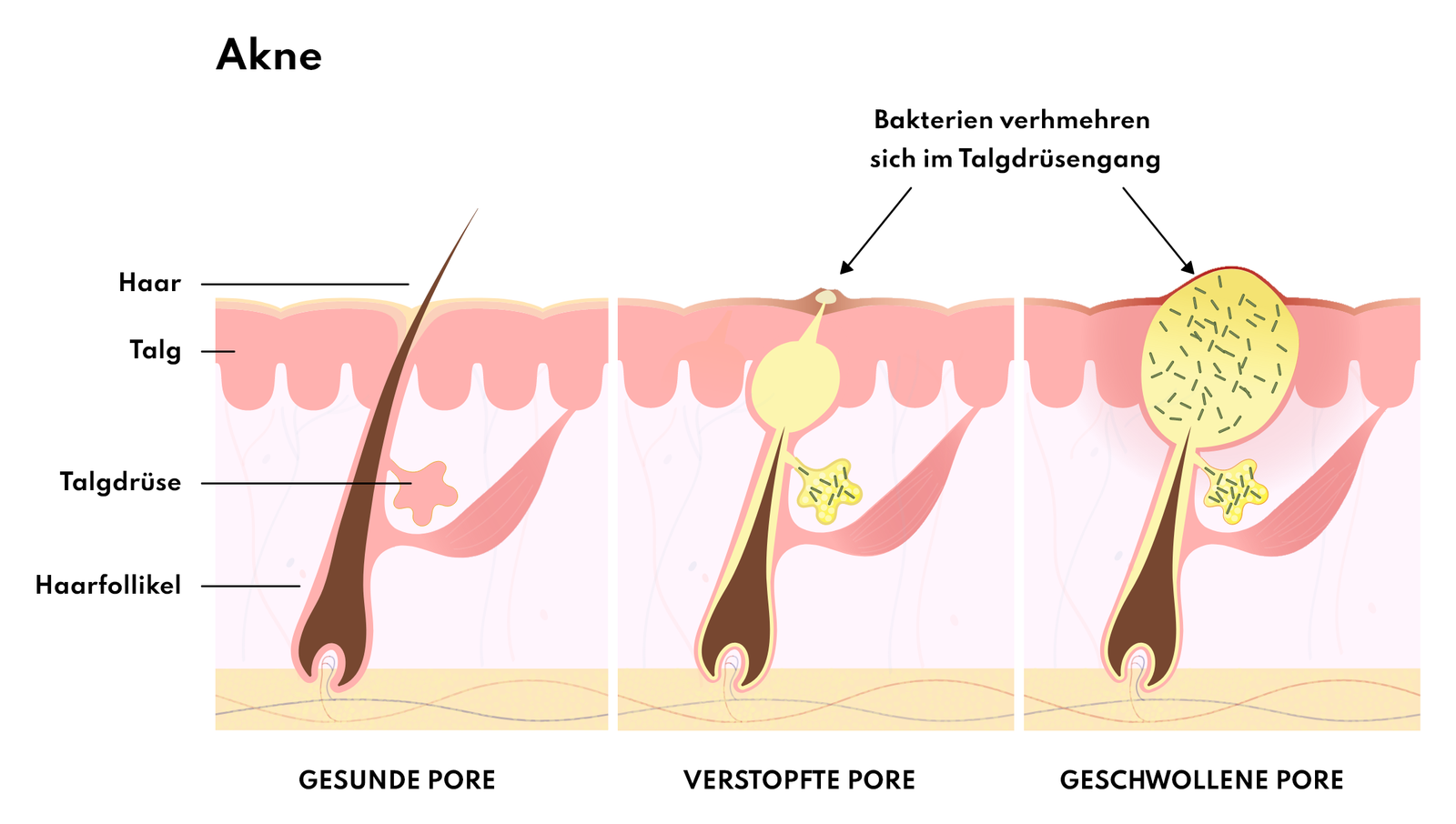
Acne is a skin condition with many causes. Changes in hormone levels, increased sebum production, the release of inflammatory messenger substances in the skin and the growth of the bacterium Propionibacterium acnes (P. acnes) are some of the factors that play a role in how acne develops.
Diet is also linked to the development of acne again and again. Many experts call acne a disease of civilisation, whose incidence is much higher in Western industrialised countries than in less industrialised countries and in peoples who don't follow a Western lifestyle. So it seems likely that the way we eat plays a role in the condition.
Certain foods in particular are under suspicion
Carbohydrate-rich foods with a high share of simple sugars, as well as milk and dairy products, are once again suspected of having a negative effect on acne. Foods that make your blood sugar level rise sharply are called foods with a high glycaemic index (GI). These high-glycaemic foods include white bread, fries, chocolate and other sweets.
After you eat foods with a high GI, your body produces more insulin. Insulin in turn boosts the production of androgens (male hormones), which increase sebum production and stimulate skin cells to produce more keratin. These processes lead to clogged sebaceous glands and so encourage acne to develop. Several studies have looked at the role of high-GI foods in acne. They found that people with acne who ate mainly low-GI foods had less severe acne than those who mainly ate high-GI foods.
Milk and dairy products are also considered unfavourable for acne. On the one hand, it is suspected that hormones contained in milk have an acne-promoting effect. On the other hand, drinking milk, especially low-fat milk, is linked to higher levels of insulin-like growth factor 1 (IGF-1), a messenger substance in the body that also increases androgen production. Through various signalling pathways, IGF-1 also stimulates sebum production and changes the composition of the skin's fats. This changed fatty acid composition in turn creates good growth conditions for the bacterium P. acnes, which promotes the inflammatory reactions in acne.
Many studies on acne and diet
How diet affects the skin is still not fully understood. All kinds of foods, such as sugar and white flour products, milk and dairy products, chocolate, alcohol, tea and coffee, have a reputation for causing blemishes and acne. In recent years, many studies have been published that looked at the influence of diet on how acne develops and how it is treated. Still, there is no clearly proven link so far between specific foods and acne. Many of these studies have quality flaws, and the data isn't enough to give a clinical recommendation to eat or avoid certain foods.
So there is no one-size-fits-all acne diet. If you suspect that your acne is linked to certain foods, keeping a food diary can help. That way you can identify possible factors that make your acne or blemishes worse and, after talking to your doctor, adjust your diet if needed. One-sided eating habits or strict diets are best avoided, because they can increase the risk of malnutrition or deficiencies. A healthy, balanced diet can boost your well-being and is good for your health.