
Acne diary – better control over your skin condition
An acne diary can help you spot the factors that matter for your skin. Here's how to keep one and how it helps at your doctor's appointment.
Diary3 min readMilderma is coming soon. This article describes features from the app's concept.

Acne has many faces. The condition shows up in different forms, depending on how severe and inflamed it is. The factors that trigger acne or make it worse can be just as different.
An acne diary can help you identify the factors that matter for you personally. If you regularly record how your skin reacts to certain situations or environmental triggers, over time you'll get a better and better feel for what's good for your skin and what isn't.
Spot trigger factors with an acne diary
Every patient can react differently to the same factor. Some people notice nothing at all in a certain situation, while for others the blemishes really flare up. That can be pretty frustrating.
Keeping an acne diary makes it easier to track down your personal triggers. Because the better you know the factors that affect how your skin looks, the better you can deal with them or avoid them.
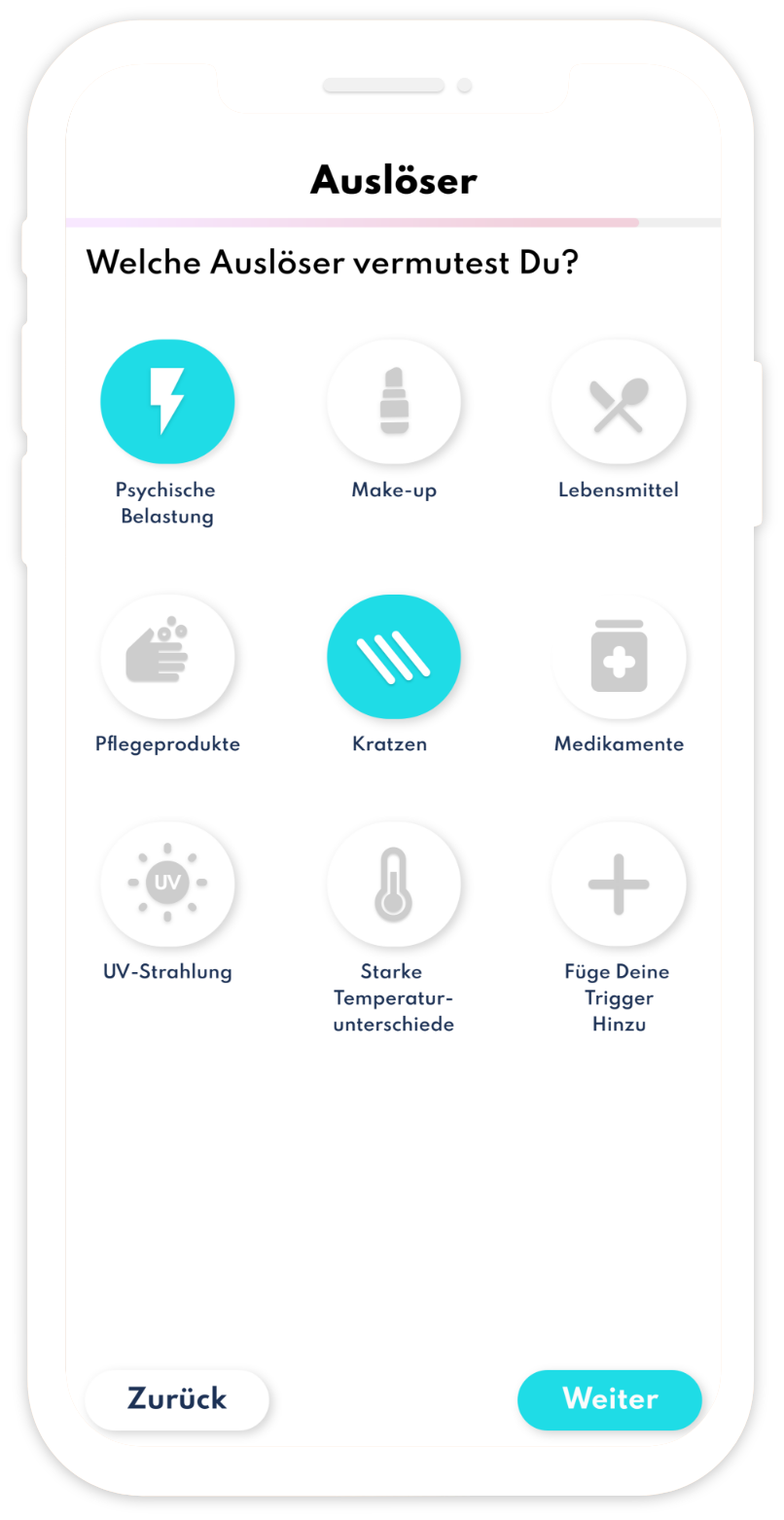
Common trigger factors that cause acne or make it worse are:
- climate (e.g. UV radiation)
- dry or humid air
- stress
- smoking
- medication
- hormonal changes (e.g. the menstrual cycle)
More benefits of an acne diary
Identify positive situations and habits
The diary also helps you identify useful habits. Behaviours that have a good effect on your skin or help you cope with acne are ones you can then use more consciously and more often.
Take your notes along to your next doctor's appointment
Your entries can give your doctor valuable clues and help them judge better how well your treatment is working. Your dermatologist can then respond more specifically to your case and give treatment recommendations.
A digital diary that's always with you
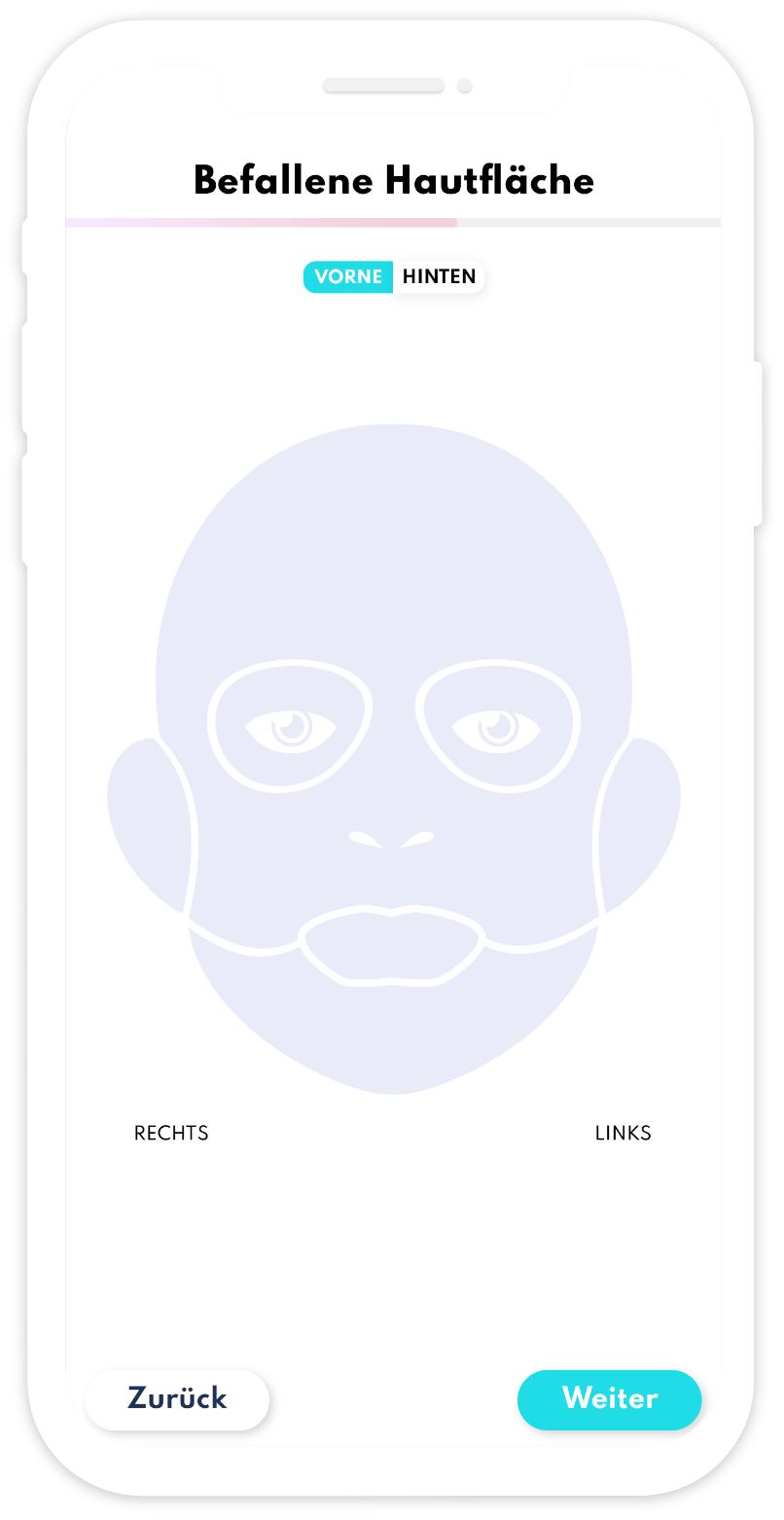
With the Milderma app, you can easily make entries in your diary at any time. The app offers a modern diary feature where you can record your symptoms and changes in your skin quickly and easily.
The practical thing is that we almost always have our smartphone at hand. So your diary is always there when you notice something you'd like to write down. And if you want to look something up in older notes, you can pull up all your entries quickly and clearly.
Tip: At the start, it can help to set fixed times for your diary entries. Every day before you go to bed or in the morning after your skincare routine, you can write down in your diary what you've noticed.

A diary is no substitute for medical treatment
Important: An acne diary doesn't replace a medical diagnosis and treatment. It's an addition to them and can give you practical help in dealing with acne in everyday life.
As an addition to medical treatment, the notes in your acne diary can give you valuable clues about causes and trigger factors. Over time, you'll get to know your skin and the factors that affect it better and better.
Of course, an acne diary is no substitute for a medical diagnosis and treatment. Also, if you notice changes in your skin or your symptoms are causing you a lot of distress, always talk to your doctor.
Support for managing your acne on your own
Over time, you'll get a better and better feel for your skin and the factors that affect it. If you suspect that a certain factor plays a role in your acne, talk to your doctor about it. They can assess it medically and give you suitable recommendations. Together with your doctor, you can then decide on possible measures or changes in behaviour.
Important: Don't make major changes to your habits on your own. For example, before you cut certain foods out of your diet, always talk to your doctor first.
Use the acne diary as a way to play an active part in treating your acne. Noting down the most important things only takes a few minutes a day, but it can still make a noticeable contribution to successful acne treatment.