
Hormonal acne
In most forms of acne, fluctuating hormone levels play a role. Which hormones are involved and how hormonal acne is treated.
Hormones4 min read
Acne is a skin condition with many causes. Fluctuating hormone levels play a role in how most forms of acne develop. "Hormonal acne" describes the cause: it means acne that is triggered by hormonal changes in the body.
In men, hormone levels usually don't change much after puberty, but in women it's different. Even after puberty, there are several reasons for hormonal changes, which is why many women still often have acne as adults. Common causes of hormonal acne are:
- the menstrual cycle
- polycystic ovary syndrome (PCOS)
- pregnancy
- menopause
- stopping the contraceptive pill
Which hormones are responsible?
Hormones are the body's messenger substances. They pass on information and control many important body processes such as metabolism, growth and reproduction. Everyone has both female hormones (oestrogen and progesterone) and male hormones (androgens, above all testosterone), in different amounts. During puberty, both men and women see a rise in testosterone, the male sex hormone. In men, it drives the development of male sex characteristics; in women, it supports muscle and bone health and boosts libido.
But if testosterone rises too much in women, it can upset the hormonal balance. Testosterone increases the body's own sebum production and stimulates the cells in the sebaceous ducts to produce keratin. These processes cause pores to clog, which leads to inflammation and blemishes.
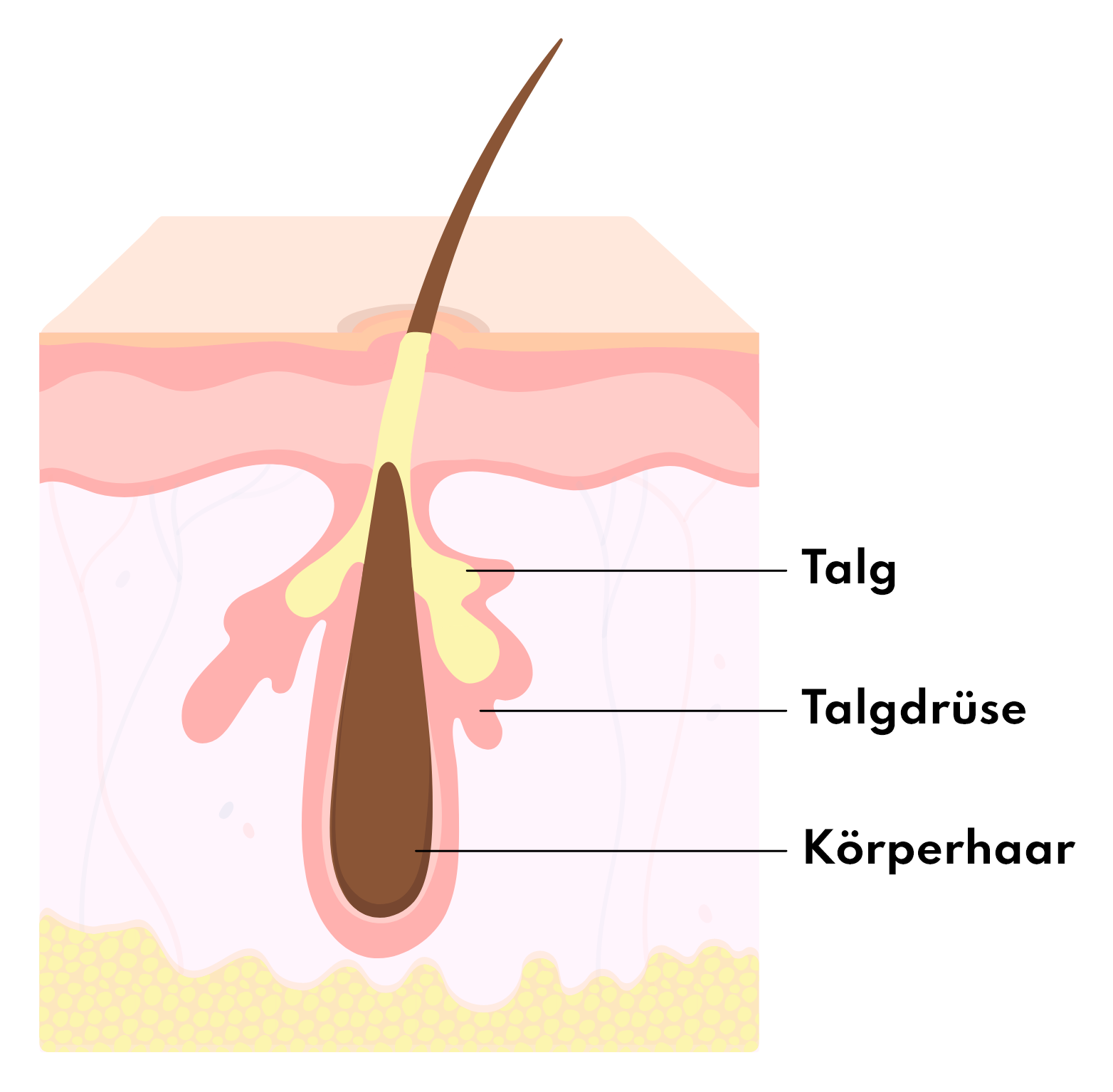
In acne, blemishes mainly appear on areas of skin with a particularly large number of sebaceous glands. Hormonal acne after puberty often shows up especially on the lower half of the face, on the cheeks and around the jaw. The neck, chest and upper back can also be affected. The acne appears as spots, pustules and blackheads. Cysts are also common: clogged pores that sit deep under the skin and sometimes form painful lumps on the surface.
Natural hormone fluctuations during the menstrual cycle
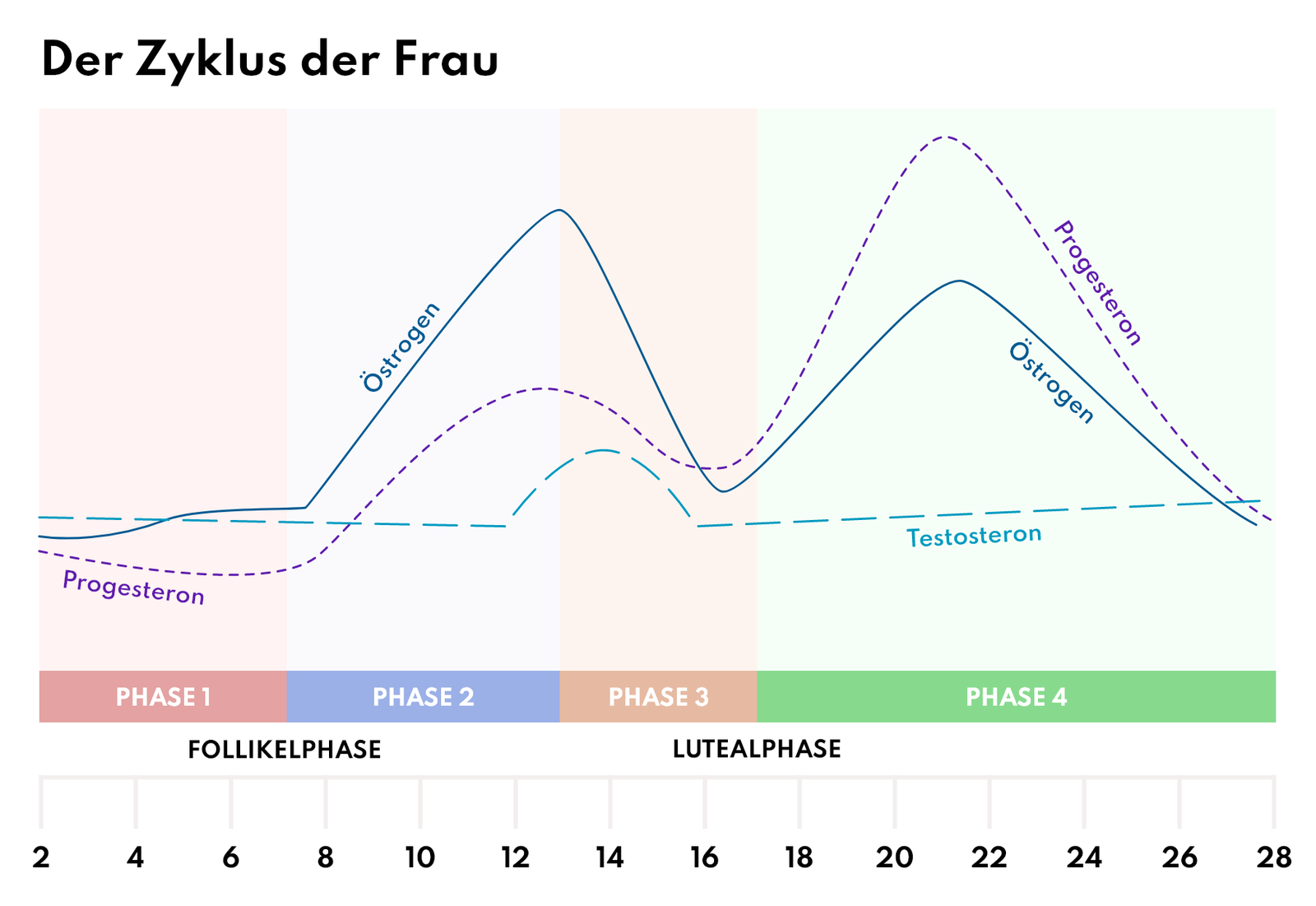
The natural hormone fluctuations during the menstrual cycle can also cause spots and blemishes long after puberty is over. During the monthly cycle, the hormones oestrogen and progesterone naturally go up and down, and this can trigger acne.
In the first half of the cycle (follicular phase), oestrogen is the dominant hormone in the female body and the level of progesterone is low. In the second half of the cycle (luteal phase), the oestrogen level drops and progesterone rises, which, like testosterone, stimulates sebum production. Shortly before your period, both oestrogen and progesterone reach a low point. At this time the male hormones dominate, and the skin is more prone to blemishes and acne.
Changes to the natural cycle as a cause of acne
Many women take the contraceptive pill regularly. It works with synthetic hormones that are similar to oestrogen and progesterone and interfere with the natural cycle. When you stop taking the pill, your hormone balance first has to readjust, and many women get more blemishes during this time. Strong hormone fluctuations are also caused by pregnancy and, later in life, by menopause.
Another cause of hormonal acne is polycystic ovary syndrome (PCOS). This is a hormonal disorder in which the body produces too many male hormones, and it affects an estimated 5–10% of all women of childbearing age. The condition can also show up as increased body hair, irregular periods and cysts in the ovaries.
Treatment of hormonal acne by a doctor
Hormonal acne should always be diagnosed and treated by a doctor. For some people, treatment with topical (applied to the skin) creams, ointments and lotions is enough. If cysts form deep under the surface of the skin, topical medicines don't work and medicines taken orally (by mouth) are needed. They work from the inside and can bring the hormone balance back into equilibrium. Internal treatment options include:
- the contraceptive pill
- medicines with an antiandrogenic effect
- isotretinoin
Some contraceptive pills, also called oral contraceptives, are particularly suitable for treating acne. They contain oestrogen-like active ingredients that balance hormone levels and so have a positive effect on the skin. Medicines with an antiandrogenic effect block the production of androgens and can therefore reduce a hormone imbalance. Isotretinoin is one of the vitamin A derivatives. These reduce sebum production and have a drying effect. During treatment with isotretinoin and for some time afterwards, reliable contraception is essential, because it can cause birth defects in an unborn child.